
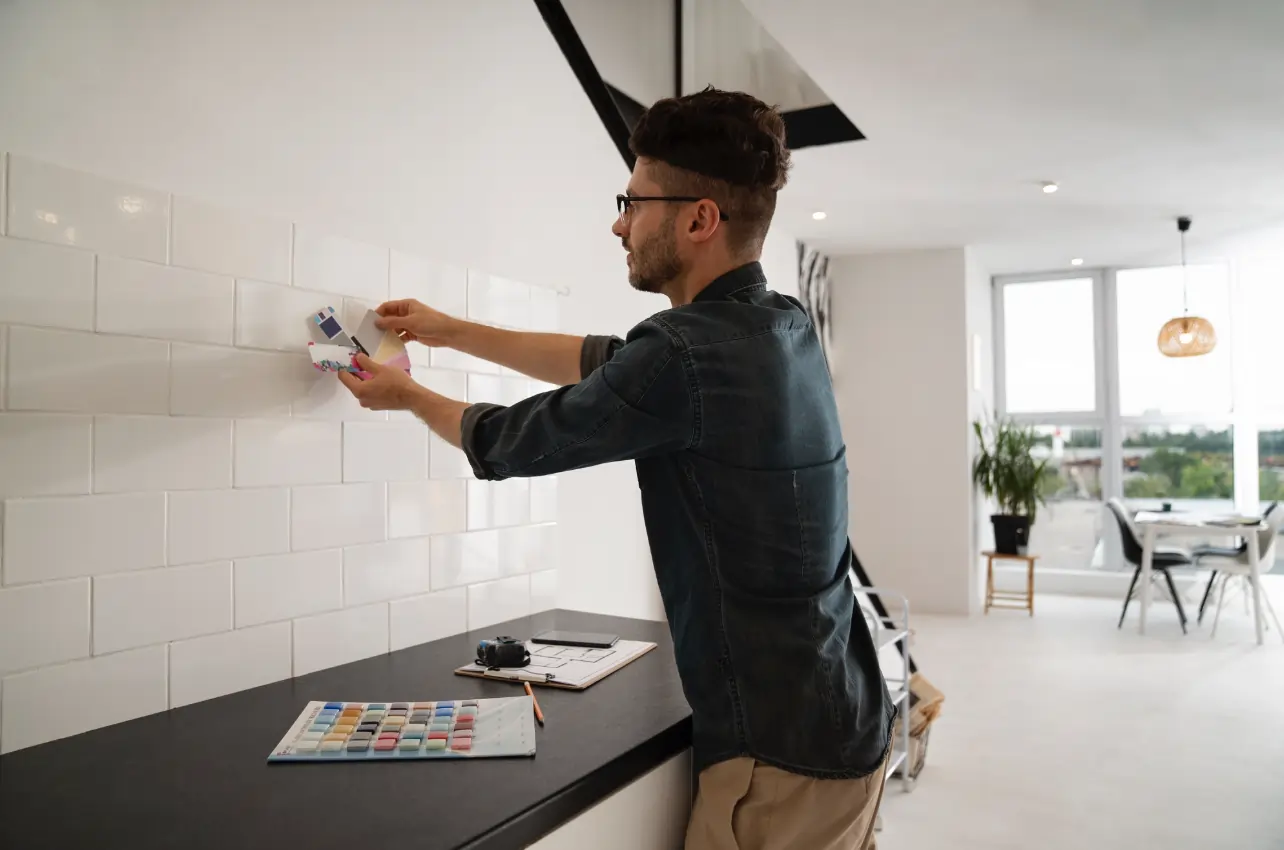
Whether you're renovating an older home in the western suburbs or updating a new build in Melbourne's growth corridors, choosing the right tile and getting it installed properly makes a measurable difference to both function and resale value. This guide covers everything Melbourne homeowners ask before booking a splashback tiler: which tile types work best, what the job actually costs in 2026, what to watch out for on a quote, and how to tell whether a tradesperson will deliver a result that lasts.
Quick focusTile choice, substrate preparation, adhesive, grout, and setting-out matter more than showroom style alone.
Why the Splashback Matters More Than You Think
Most homeowners treat the splashback as a decorative afterthought, something to coordinate with the benchtop. In reality, it performs three distinct jobs:
- Moisture barrier. Cooking produces steam and water droplets that, over years, penetrate unsealed or poorly grouted walls. The tile, correctly installed, is completely waterproof.
- Grease and heat resistance. Behind a cooktop, surfaces can reach high ambient temperatures. Ceramic and porcelain tiles handle this far better than painted plasterboard or timber-look alternatives.
- Visual anchor. In an open-plan kitchen, the splashback zone is a major focal point. The right tile can visually expand a small kitchen or give a large one warmth and texture.
Cutting corners here, thin tiles, inadequate adhesive, poor grout joints produces a result that looks fine at handover and causes problems within two to three years. For a service view of the same work, see our kitchen tiling services in Melbourne.
For guidance on the floor, the splashback, and how the two should coordinate, see our full kitchen tiling Melbourne guide.
For current rates by tile type, see our kitchen tiling prices Melbourne breakdown, or our wall tiling prices Melbourne guide for walls beyond the splashback.
Tile Types for Kitchen Splashbacks: What Works in Melbourne Homes
Not all tiles are suited to splashback use. The heat, moisture, and cleaning cycles in a working kitchen rule out several materials that look great in a showroom. Here is a practical breakdown of what Melbourne tilers most commonly install and why:

Glazed Ceramic Tiles
The classic choice. Ceramic splashback tiles are affordable (typically $20–$60/m² for the tile itself), easy to clean, and available in a huge range of sizes and finishes. Subway tiles particularly in 75x150mm or 100x300mm format have become the default for Melbourne renovation projects and remain popular because they suit both heritage and contemporary kitchens. For splashback use, always specify glazed ceramic with a smooth or satin finish. Matte ceramics look beautiful but hold cooking grease in the surface texture, making them harder to clean over time.
Porcelain Tiles
Porcelain is denser and less porous than ceramic, making it ideal for the area directly behind a cooktop. Large-format porcelain slabs (600x600mm or larger) have become increasingly popular in Melbourne kitchen renovations because they minimise grout lines and create a clean, continuous look. The trade-off is cost porcelain tiles start at $40–$100/m² and large-format slabs can exceed $150/m². Cutting large-format tiles also requires specialist equipment and a tiler experienced with rectified porcelain. Getting this wrong means cracked tiles or visible lippage at joints.
Natural Stone Tiles
Marble, travertine, and slate are sometimes requested for kitchen splashbacks, particularly in higher-end Melbourne renovations. Natural stone can look exceptional, but it requires sealing before installation and periodic resealing thereafter. Stone is also porous acidic foods like lemon juice or vinegar will etch unsealed marble quickly. If you want a natural stone look without the maintenance, consider porcelain tiles printed with stone textures. The quality of digital print porcelain in 2026 is remarkably close to the real thing.
Mosaic Tiles
Glass or ceramic mosaics (typically 25x25mm to 50x50mm, mounted on mesh sheets) work well as feature accents behind the cooktop as a focal point while subway or large-format tiles cover the rest of the splashback. Full mosaic splashbacks are still installed but have become less common in Melbourne as large-format looks have grown in popularity. One practical note: more tiles means more grout joints, which means more cleaning surface. In a working kitchen that sees daily use, this is worth factoring into your choice.
Kitchen Splashback Tiling Costs in Melbourne: 2026 Estimates
Pricing for splashback tiling in Melbourne depends on four main variables: the size of the area, tile type and format, complexity of the installation (power points, rangehood cutouts, window reveals), and whether the substrate needs preparation. For broader renovation budgeting, compare this with our bathroom tiling cost guide in Melbourne.
| Tile Type | Tile Cost (supply) | Installed (labour + materials) |
|---|---|---|
| Standard glazed ceramic | $20–$60/m² | $80–$130/m² |
| Subway tile (100x200mm) | $25–$55/m² | $90–$140/m² |
| Porcelain (standard format) | $40–$100/m² | $110–$170/m² |
| Large-format porcelain slab | $80–$160/m² | $150–$250/m² |
| Natural stone | $80–$200/m² | $160–$280/m² |
| Glass mosaic | $60–$150/m² | $130–$220/m² |
Note: These are indicative ranges for Melbourne metro. Final pricing depends on site conditions, tile wastage calculations, and the scope of substrate preparation required. Always get a written, itemised quote before proceeding. A typical Melbourne kitchen splashback covering a 3–4 linear metre run between benchtop and overhead cabinets involves roughly 3 to 6 square metres of tiling. At mid-range pricing, expect a finished job to cost $450–$900 for labour and materials, excluding tiles. Factor in the tile cost on top of that.
What Affects Price Beyond the Tile
- Power point and switch relocations. Moving or boxing out power points in a splashback zone may require a licensed electrician, which is a separate cost.
- Rangehood cutouts. Cutting porcelain or stone around a range hood requires precision and adds time to the job.
- Substrate condition. If existing tiles need to be removed, or if the plasterboard behind the splashback has moisture damage, this adds to preparation time and cost.
- Pattern complexity. Herringbone, chevron, or diagonal lay patterns increase cut wastage and labour time compared to standard grid or stacked layouts.
Installation: What a Proper Splashback Job Looks Like
The difference between a splashback that looks great for a decade and one that starts showing problems in two years usually comes down to preparation and substrate, not just the tile itself. Here is what a professional installation involves:
1. Substrate Assessment
Before any tile goes up, the wall surface needs to be assessed. Plasterboard in a kitchen environment should be moisture-resistant if it is near a sink or dishwasher. Regular plasterboard behind a cooktop is acceptable since that area sees heat rather than direct moisture, but any damaged or soft sections must be replaced before tiling proceeds. Tiling over compromised substrates is the single most common cause of tile failure in kitchen renovations.
2. Adhesive Selection
Kitchen splashbacks should be installed with a flexible, water-resistant tile adhesive. Rigid cement-based adhesives can crack under the minor thermal movement that occurs behind a cooktop. A professional tiler will specify the right adhesive for the tile type, the substrate, and the location.
3. Setting Out and Layout
Before the first tile is fixed, a good tiler marks out the full layout dry. This establishes where cuts will fall ideally at the edges rather than in prominent central positions and ensures grout lines are consistent and level. Skipping this step is common among less experienced operators and shows immediately in the finished result.
4. Grouting and Sealing
Grout selection matters in a kitchen context. Epoxy grout is highly resistant to staining and can be worth the additional cost in a splashback that runs behind a cooktop or directly above a sink. Standard cement grout should be sealed after curing particularly for lighter colours that would stain from cooking residue. The grout joint behind a range hood or at internal corners should be finished with a matching silicone rather than rigid grout. This accommodates the slight thermal movement at these junctions and prevents cracking. Wet-area membrane details are different, but our waterproofing services in Melbourne explain the same preparation-first approach.
Common Mistakes to Avoid
Having seen hundreds of Melbourne kitchens, these are the most frequently recurring issues that come up when clients call for rectification work:
- No silicone at internal corners and junctions. Rigid grout at movement joints cracks within months. Every internal corner where two tiled surfaces meet, and the joint at the benchtop, requires silicone.
- Undersized adhesive coverage. Large-format tiles require full-bed adhesive application (back-buttering the tile as well as the substrate). Spot-fixing or partial coverage leads to hollow tiles and eventual loosening.
- Wrong tile choice behind a gas cooktop. Certain glass tiles and some low-quality ceramics are not rated for high-heat environments. Check the tile's heat rating if it will sit directly behind a gas burner.
- Poor setting out resulting in slivers. Narrow cut tiles at visible edges (particularly next to a window reveal or at the end of a run) look unfinished. Good layout planning avoids this entirely.
- Using the wrong grout colour as an afterthought. Grout colour has a major impact on the finished look it is not a minor detail. White grout on a white subway tile looks crisp; dark grout on the same tile creates a grid-like feature effect. Decide this before the job starts, not after.
Design Trends in Melbourne Kitchen Splashbacks (2026)
Design preferences shift, but the most popular choices in Melbourne kitchens this year tend toward:
- Oversized subway tiles. The classic 75x150mm format has largely given way to 100x300mm and 130x400mm formats. Larger subway tiles give the same clean, stackable aesthetic with fewer grout lines.
- Tiled to the ceiling. Continuing the splashback tile up to the range hood exhaust duct or all the way to the ceiling creates a bold, cohesive look that is common in new Melbourne builds and high-spec renovations.
- Fluted and textured tiles. Vertically fluted tiles also known as bouclé or ribbed tiles add depth and a tactile quality that flat tiles cannot achieve. They work particularly well in kitchens where the cabinetry is otherwise simple.
- Warm neutrals over cool whites. Warm off-whites, greige tones, and terracotta have been gaining ground against the pure white splashback that dominated Melbourne kitchens for most of the 2010s.
- Matching benchtop and splashback. Using the same porcelain slab material for the benchtop and the splashback running the stone look continuously from horizontal to vertical is a high end look that is increasingly accessible as slab porcelain becomes more affordable.
How to Choose a Splashback Tiler in Melbourne
Not all tilers are equally experienced with kitchen splashback work. A tiler who specialises in bathroom floor installations may lack experience with the specific challenges of kitchen wall tiling: thin substrates, movement joints at benchtops, cutouts for power points, and the expectation of a very clean, plumb result at eye level. When getting quotes, look for:
- A written, itemised quote. This should separate labour, materials (adhesive, grout, silicone), and tile supply if included. Lump-sum quotes make it impossible to assess value or compare accurately.
- References or portfolio images of kitchen work specifically. A bathroom portfolio does not tell you how the tiler handles a kitchen splashback.
- Clarity on substrate preparation. A good tiler will assess your wall and advise upfront if anything needs addressing. A tiler who says nothing about substrate condition and just asks for a start date is skipping a step.
- Registration as a domestic builder or tiling contractor. In Victoria, tile installation in a domestic setting may require registration with the Victorian Building Authority (VBA). Confirm this with your tiler.
Splashback Tiling in Melbourne's Western and Northern Suburbs
Ali Star Tiling is based in Kurunjang and regularly works across Melbourne's western growth corridor including Melton, Caroline Springs, Sunbury, Werribee, and Hoppers Crossing as well as the northern suburbs. For homeowners in these areas, working with a local tiler means faster response times, no travel surcharge, and a tiler who understands the predominant home types and renovation conditions in your area. If you are in Melbourne's east or south-east, we still service your area for the right projects. Contact us for a free on-site quote. Ready to tile your kitchen splashback? Call Ali Star Tiling on 0455 233 816 or email info@alistartilingmelbourne.com.au for a free quote. We service Kurunjang, Melton, Caroline Springs, Sunbury, and surrounding Melbourne suburbs. Written quotes provided before any work starts.
More Guidance for Melbourne Tile Projects
If you are comparing splashback installers with broader renovation providers, our guide to choosing tiling services in Melbourne explains the quote, portfolio, and workmanship checks that matter before work starts. For tile types, costs, and the full installation process, see our splashback tiling Melbourne guide.
FAQs
Frequently Asked Questions
01How long does a kitchen splashback take to tile?
Most standard Melbourne kitchen splashbacks 3 to 6 square metres take one day for installation and another day for grouting once the adhesive has cured. More complex jobs with large-format tiles, pattern lays, or extensive cutouts may take two to three days in total.
02Can I tile over my existing splashback tiles?
In some cases, yes provided the existing tiles are firmly bonded, the wall can carry the additional weight, and the new layout accommodates the change in thickness at power points and edges. A tiler should assess this on-site. Tiling over loose or hollow tiles is never appropriate.
03What is the best grout for a kitchen splashback?
Epoxy grout is the most stain-resistant option and is worth considering for the area directly behind a cooktop. For the rest of the splashback, a quality cement-based grout with a grout sealer applied after curing performs well. Avoid unsanded grout for joints larger than 3mm.
04Do I need to seal my splashback tiles?
Glazed ceramic and porcelain tiles do not require sealing the glaze is already a sealed surface. Unglazed tiles, natural stone, and cement-based grout joints do require sealing, and should be resealed every few years depending on use.
05How much does it cost to tile a kitchen splashback in Melbourne?
For a typical 3–5 square metre splashback, expect to pay $600–$1,200 total including tiles, adhesive, grout, and labour. Large-format porcelain or stone splashbacks in larger kitchens can exceed $2,000. Get an itemised quote to understand what is included.