Professional Waterproofing Service in Melbourne
Waterproofing is a legal requirement under Australian Standard AS 3740 for all wet areas in residential construction, including bathrooms, shower recesses, laundries, and any other area subject to regular water exposure and it is equally critical in a range of other applications including balconies, podium decks, below-ground structures, and anywhere that water ponding or lateral moisture movement could compromise the integrity of the building. Ali Star Tiling's waterproofing service covers the full spectrum of these applications, from the straightforward application of a membrane in a single shower recess to comprehensive waterproofing programs for entire bathroom and laundry renovations, balcony and terrace restorations, and new construction wet area installations that need to meet council inspection requirements before tiling can proceed. We work at residential, commercial, and industrial levels, and our approach in every case is the same: thorough surface preparation, selection of the appropriate waterproofing system for the specific application and substrate, careful multi-coat application with full cure time between coats, and a final inspection for pinholes, thin spots, and incomplete coverage before the membrane is signed off and the tiling phase begins. Every waterproofing job we complete is backed by a workmanship warranty, because we understand that the purpose of waterproofing is long-term protection not just passing an inspection on the day.
Why Waterproofing Matters
Professional Waterproofing Is One of the Most Important Investments You Can Make in Your Melbourne Property
The consequences of failed or absent waterproofing in a Melbourne home extend far beyond a wet floor or a damp wall, and understanding the full scope of potential damage helps explain why professional waterproofing is consistently one of the highest-return investments a property owner can make. When water penetrates a bathroom wall or floor substrate whether through a failed membrane, an incomplete seal at a floor-wall junction, or a grout joint that has cracked and allowed moisture ingress over time it begins to saturate the framing and sheeting materials behind the tiled surface. In a timber-framed home, this means the gradual decay of wall studs, floor joists, and bottom plates, a process that can progress for years without visible signs before eventually manifesting as soft floors, cracked tiles, or in severe cases, structural failure that requires complete bathroom demolition and reconstruction at a cost many times greater than a correctly applied waterproofing membrane would have represented at the outset. In concrete slab construction, water penetration can cause corrosion of the steel reinforcement embedded in the slab, leading to concrete spalling and structural compromise that is both expensive and technically demanding to repair. Beyond structural damage, moisture trapped within wall cavities and subfloor spaces creates ideal conditions for mould growth, and the health implications of ongoing mould exposure particularly for young children, elderly residents, and anyone with respiratory conditions are well documented and serious. Melbourne's unpredictable climate, which can deliver significant rainfall at any time of year combined with periods of high humidity that prevent damp building materials from drying out, makes robust, professionally installed waterproofing not just advisable but genuinely essential for any wet area in any property.
Where Waterproofing Is Needed
Where Does Your Melbourne Property Need Professional Waterproofing?
Many Melbourne homeowners are aware that shower recesses require waterproofing, but the list of areas where professional waterproofing is either legally required or strongly recommended extends considerably further than most people realise. Shower recesses and wet areas within bathrooms are the most obvious application, and under AS 3740, waterproofing to the walls and floor of a shower recess is mandatory in all new construction and renovation work, with specific requirements around membrane height, junction detailing, and curing time before tiling can proceed. Bathroom floors beyond the shower recess including the area around the bath, the floor adjacent to the toilet, and the general bathroom floor in rooms without a separate shower enclosure also require waterproofing to a minimum height of 100mm up the walls to contain any water that reaches the floor surface. Laundries are another critical application that is frequently overlooked, as washing machine hose failures and basin overflows are among the most common causes of water damage in residential properties, and a waterproofed laundry floor and lower wall zone can mean the difference between a minor inconvenience and thousands of dollars in structural damage. Balconies and outdoor terraces present their own waterproofing challenges, particularly in Melbourne's climate where the substrate is subject to thermal expansion and contraction with temperature changes, and where ponding water on an inadequately drained or unsealed surface can cause rapid deterioration of the deck structure below. We also provide waterproofing for below-ground spaces including basement walls and floors, retaining walls subject to hydrostatic pressure, and planter boxes or garden beds built adjacent to or above habitable spaces where root intrusion and constant moisture present a persistent challenge to building integrity.
Our Waterproofing Systems
Our Waterproofing Systems The Right Solution for Every Application
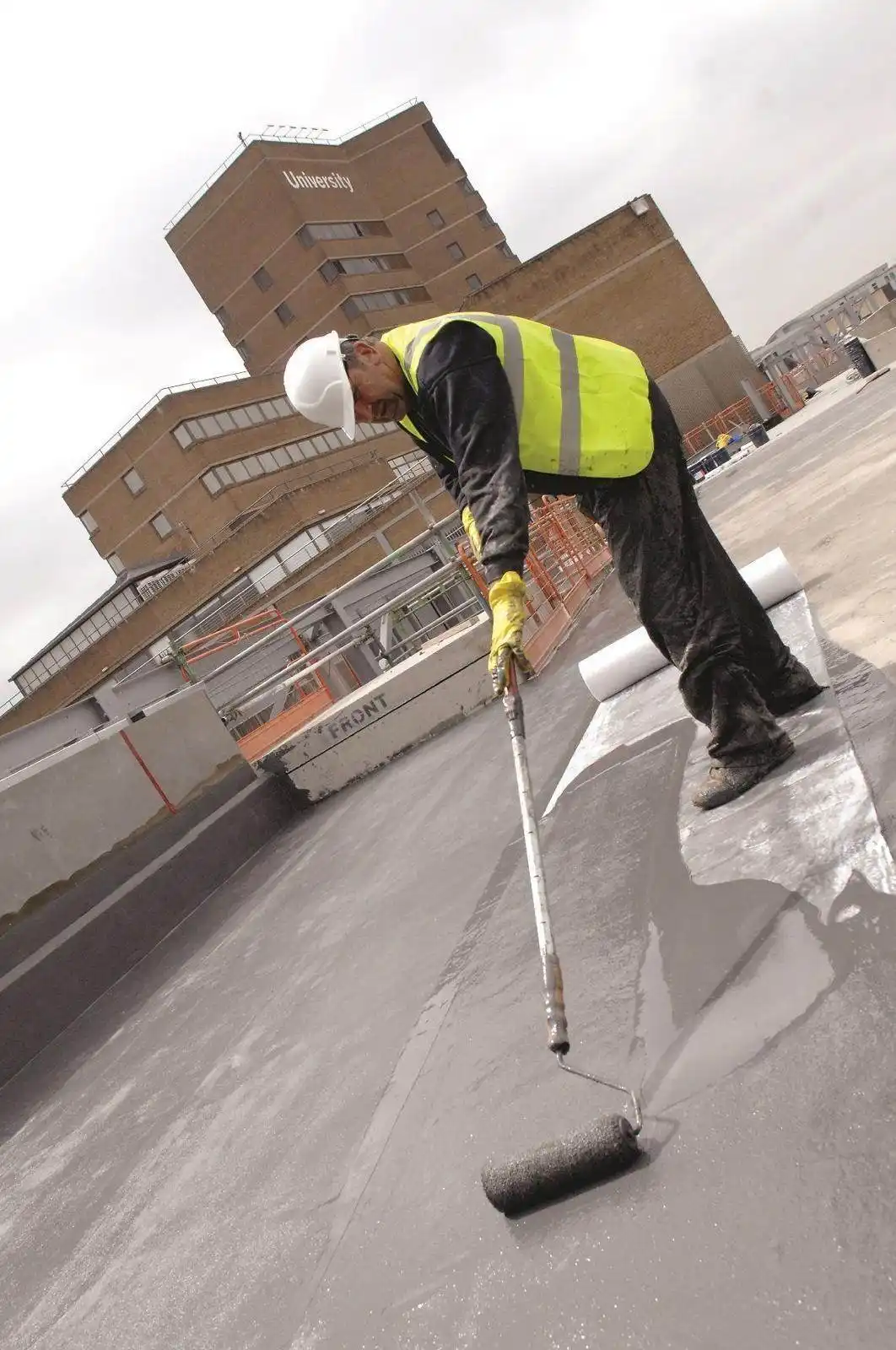
Not all waterproofing applications are the same, and selecting the correct membrane system for a specific substrate, location, and use is one of the most important decisions in any waterproofing project. Ali Star Tiling's team has extensive experience with the full range of waterproofing systems used in Melbourne construction, and we match the product and method to the job rather than applying a single solution to every situation. Liquid-applied membranes, which are brushed or rolled onto the prepared surface in multiple coats to form a seamless, fully adhered barrier, are the most common system used in residential wet areas and are well suited to the irregular shapes, pipe penetrations, and internal corners found in bathrooms and laundries because they can be applied continuously over complex geometry without the joints and laps that sheet membranes require. Sheet membranes, which are pre-manufactured rolls of waterproofing material that are bonded to the substrate with adhesive or heat welding, are typically used in larger or more exposed applications such as balconies, podiums, and below-ground walls where a high-performance, uniform membrane thickness is required and the substrate geometry is regular enough to allow the sheet to be laid without excessive cutting and patching. Cementitious waterproofing systems, which are applied as a slurry or render and cure to form a rigid, cement-based barrier, are used in below-ground applications and in situations where the substrate is actively damp or subject to positive water pressure, as these systems can be applied to wet concrete and still cure effectively where liquid-applied membranes cannot. Regardless of which system is appropriate for your project, all of our waterproofing work is carried out using products that meet or exceed the relevant Australian Standards and are compatible with the tiling adhesives and grout systems that will be applied over them.
Our Process
Five Steps to a Fully Protected Property
Step 1 Inspection, Assessment, and Area Identification
Every waterproofing project begins with a thorough inspection of the areas to be waterproofed, during which our team identifies all surfaces requiring treatment, assesses the condition of the existing substrate, and checks for any cracks, holes, penetrations, or areas of existing water damage that need to be addressed before the membrane is applied. This inspection phase is critical because a waterproofing membrane applied over a compromised substrate one with active cracks, deteriorating render, or areas of existing moisture will not perform correctly regardless of the quality of the membrane product itself. All identified defects are documented and discussed with the client before work begins, ensuring that the scope of the preparation work is understood and that there are no surprises during or after the job.
Step 2 Surface Preparation and Crack Repair
With the assessment complete, surface preparation begins. All areas to be waterproofed are thoroughly cleaned of dust, grease, loose material, and any previous coatings or sealants that could prevent the new membrane from bonding correctly to the substrate. Cracks and joints are treated with appropriate crack-bridging compounds or reinforcing tape to ensure the membrane can accommodate any future movement at these points without tearing or delaminating. Pipe penetrations and floor drain outlets are sealed with appropriate collars or pre-formed flashings before the membrane is applied, as these are statistically the most common points of failure in wet area waterproofing and must be treated with particular care to achieve a reliable seal. Where existing render or screed is found to be hollow, cracked, or soft, these areas are removed and replaced with sound material before any waterproofing is applied.
Step 3 Membrane Waterproofing Application
Once the surface is properly prepared and all penetrations and cracks are treated, the waterproofing membrane is applied in accordance with the manufacturer's specifications and Australian Standard AS 3740. For liquid-applied systems, this involves multiple coats applied in alternating directions, with each coat allowed to cure fully before the next is applied, building up a continuous, pinhole-free membrane of the specified thickness across all required surfaces. Internal corners, floor-wall junctions, and areas around penetrations are reinforced with waterproofing tape or additional membrane material to ensure these critical junctions achieve the required membrane thickness and flexibility. The membrane is extended to the required height up all walls a minimum of 1500mm in shower recesses under AS 3740, and at least 100mm above the finished floor level in adjacent wet areas and all termination points are sealed to prevent water from tracking behind the membrane edge.
Step 4 Paint-On Waterproofing for Above-Ground Walls
In applications where a paint-on waterproofing system is appropriate typically for above-ground external walls, internal walls in lower-risk wet areas, or as a supplementary treatment to an existing membrane system we apply a specialist elastomeric waterproofing coating that forms a flexible, moisture-resistant barrier over the wall surface. This system is particularly effective for external render walls that are subject to wind-driven rain, and for internal spaces where the primary concern is condensation and surface moisture rather than hydrostatic pressure. The coating is applied in two or more coats with appropriate drying time between coats, and is compatible with a wide range of decorative finishes applied over the top.
Step 5 Inspection, Testing, and Ongoing Maintenance Advice
Before any tiling or other finishing work proceeds over a waterproofed surface, our team conducts a thorough inspection of the completed membrane, checking for pinholes, thin spots, incomplete coverage at junctions, and any areas where the membrane may have been damaged during the curing process. Where required by council or certifier, we can arrange a formal water test of the installation flooding the shower recess or wet area to a set depth for a specified period and confirming that no leakage occurs to satisfy inspection requirements before the job is signed off. We also provide straightforward maintenance guidance to every client at handover, covering how to identify the early signs of waterproofing failure and what to do if they appear, so that any issue can be caught and addressed before it has the opportunity to develop into a costly structural problem.
Why Choose Us for Waterproofing in Melbourne
Waterproofing is one of those building trades where the quality of the workmanship is almost entirely invisible once the job is finished you can't see the membrane beneath the tiles, and the difference between a correctly applied system and a rushed or incomplete one only becomes apparent when something goes wrong, often years later and at significant expense. This is precisely why choosing a licensed, experienced, and reputable waterproofing contractor matters as much as it does, and why Ali Star Tiling's track record of correctly completed waterproofing work across Melbourne's western suburbs is such an important part of what we offer. Our team is fully licensed for waterproofing work in Victoria, our systems are compliant with AS 3740, and our workmanship warranty gives Melbourne homeowners the assurance that if a problem with our waterproofing installation ever does arise, we will address it. We have completed waterproofing work across hundreds of Melbourne properties in new bathroom renovations, existing home remediation projects, balcony restorations, and new construction inspections and we bring the same methodical, detail-oriented approach to every job regardless of its size.
Areas We Serve
Ali Star Tiling provides professional waterproofing services to residential, commercial, and industrial properties across Werribee, Point Cook, Truganina, Sunshine, Sunbury, Gisborne, Bacchus Marsh, and surrounding communities throughout Melbourne's western growth corridor. We offer free on-site assessments and quotes across our service area, and our 24/7 emergency waterproofing service is available across Victoria for urgent situations involving active water ingress, failed membranes, or flood-related damage that requires immediate attention to prevent further deterioration of your property.
FAQs
Do I need a waterproof membrane in the shower?
Yes, and it's a legal requirement under Australian Standard AS 3740. A correctly applied waterproofing membrane in a shower recess prevents water from penetrating the wall and floor substrate, protecting the building structure from the moisture damage, mould growth, and timber decay that inevitably follow when a wet area is tiled without adequate waterproofing beneath.
How long must I wait after waterproofing before tiling can start?
Cure time depends on the specific product used and the ambient temperature and humidity at the time of application, but as a general guide most liquid-applied membranes require a minimum of 24 to 48 hours between the final coat and the commencement of tiling. We always follow the manufacturer's specified cure times and will not allow tiling to proceed over an insufficiently cured membrane, as doing so risks damaging the membrane and voiding its warranty.
How long does professional waterproofing last?
A correctly installed, high-quality waterproofing membrane in a residential wet area can last between 10 and 25 years depending on the product system used, the quality of the installation, and the maintenance of the tiled surfaces above it. Regular inspection of grout lines and silicone joints and prompt resealing of any that show signs of cracking or deterioration is the single most effective maintenance action a homeowner can take to extend the service life of their waterproofing system.
How do I get in touch with Ali Star Tiling for a waterproofing quote?
Call us on 0455 233 816 (Mon–Sat, 7am–6pm), email info@alistartilingmelbourne.com.au, or submit an enquiry through our website. For urgent waterproofing failures or active water ingress, our emergency line is available around the clock.
Ready to Protect Your Property? Contact Ali Star Tiling for Waterproofing in Melbourne Today
Water damage is one of the most preventable yet most expensive problems a Melbourne homeowner can face, and investing in professional waterproofing now is always significantly less costly than repairing the structural and cosmetic damage that results from a failed or absent membrane later. Ali Star Tiling has been protecting Melbourne properties across the western suburbs with correctly installed, AS 3740-compliant waterproofing systems since 2009, and our licensed team brings the experience, materials, and attention to detail that this critical building work demands. Contact us today for a free assessment and quote, and give your property the protection it deserves.
Renovating a whole bathroom rather than a single wet area? See our bathroom renovation tiling Melbourne guide for the full seven-stage process.
Comparing membrane costs across every wet area? See our waterproofing prices Melbourne guide for bathroom, balcony, basement, and pool rates.
Wondering what a fully waterproofed retile costs? See our bathroom tiling prices Melbourne breakdown for floors, walls, showers, and ensuites.
Sheeting or membrane needed behind a feature or outdoor wall? Our wall tiling prices Melbourne guide covers substrate preparation for each wall type.
Waterproofing a balcony or elevated outdoor area before tiling? See our outdoor tiling prices Melbourne guide for falls, drainage, and membrane requirements.
Coordinating waterproofing for a commercial fit-out or amenities block? See our commercial tiling prices Melbourne guide for venue-specific rates.
Membrane sound but the grout above it needs refreshing? See our regrouting prices Melbourne guide for wet-area grout replacement and resealing.
Waterproofing as part of a bigger project? See our Melbourne home renovations page for how waterproofing and tiling stages fit into a full renovation.
Floor uneven or falling the wrong way? Our floor screeding Melbourne service corrects levels and falls before the membrane goes down.