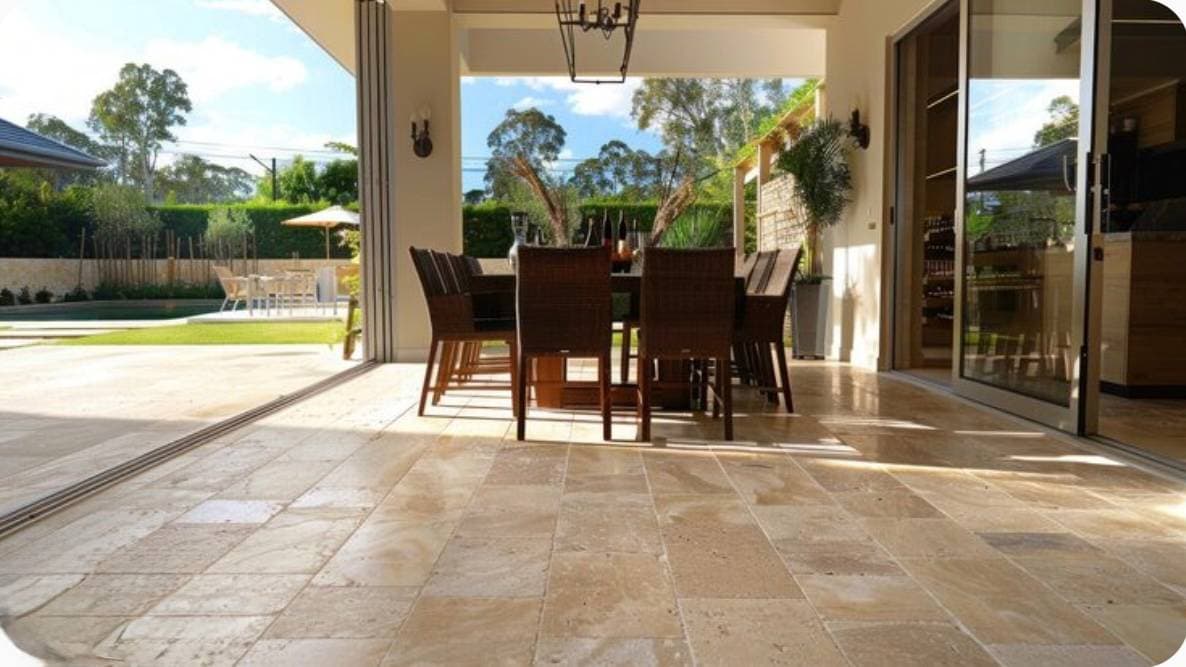
Melbourne's outdoor spaces have become extensions of the home. Whether it's an alfresco entertaining area in Melton, a patio in Caroline Springs, or a pool surround in the western suburbs, the outdoor tile you choose needs to handle things no indoor tile ever faces: scorching summer heat, frost in winter, rain, UV exposure, and the constant risk of wet feet on a slippery surface.
Outdoor tiling is technically more demanding than indoor work. The tile specifications, substrate requirements, falls for drainage, and slip resistance standards are all different and getting any of them wrong creates a surface that becomes dangerous or deteriorates quickly. This guide covers everything Melbourne homeowners need to know before starting an outdoor tiling project in 2026. For a service overview of the same work, see our outdoor tiling services in Melbourne.
Why Outdoor Tiling is Different from Indoor Tiling
Many homeowners assume outdoor tiling is simply an extension of what happens inside. It is not. Three fundamental differences change how the job must be specified and installed:
1. Thermal movement
Outdoor surfaces expand and contract significantly with Melbourne's temperature range from below 5°C in winter to above 40°C in summer. Tiles and grout joints must accommodate this movement or cracking is inevitable. This means larger expansion joints, flexible adhesives, and correct joint sizing from the outset.
2. Drainage falls
Australian standards require outdoor tiled surfaces to drain typically a fall of 1:100 minimum for general outdoor areas and 1:80 for pool surrounds. A flat tiled patio puddles, stains, and becomes a slip hazard. Creating and maintaining the correct fall during installation is a skill that separates experienced outdoor tilers from those who primarily work indoors.
3. Slip resistance
The Pendulum Test Value (PTV) requirements for outdoor wet areas are far higher than for dry indoor floors. The wrong tile, even a beautiful one, becomes a liability when wet.
Best Tile Types for Melbourne Outdoor Areas
Not every tile is suitable for outdoor use. The key requirements are frost resistance (important in Melbourne's cooler months), low water absorption, and adequate slip resistance in the finish. Here is how the main options compare.
Porcelain Pavers (Outdoor-Rated)
Outdoor-rated porcelain pavers are the most popular choice for Melbourne alfresco and patio areas in 2026. They are frost-proof, have very low water absorption (under 0.5%), and are available in large formats 600x600mm, 800x800mm, and 600x1200mm that create a clean, contemporary look with minimal grout lines.
Look for porcelain pavers with a sawn or textured finish rather than polished, polished porcelain is dangerously slippery when wet and is not appropriate for outdoor use. Good-quality outdoor porcelain will carry a P4 or P5 slip rating (more on this below).
Thickness matters outdoors. Standard 10mm indoor porcelain is not suitable for ground-level outdoor installation. Outdoor porcelain pavers should be 18–20mm thick, particularly if they will be laid on a sand-set or pedestal system rather than directly on a concrete slab.
Travertine and Natural Stone
Travertine has been a popular outdoor tile in Melbourne for many years and remains a good choice when properly selected and installed. The key is specifying a honed or brushed finish (never polished) and ensuring the stone has been filled and sealed before installation.
Travertine is softer than porcelain and can absorb staining from leaves, algae, and pool chemicals if not sealed and maintained regularly. For low-maintenance outdoor areas, porcelain is the more practical option. For areas where the warmth and character of natural stone matter particularly in period homes or Mediterranean-style gardens travertine is hard to beat visually.
Slate and Bluestone
Bluestone is a Melbourne favourite for outdoor areas and pool surrounds. It is dense, hard-wearing, naturally slip-resistant, and has a classic look that suits both heritage and contemporary homes. Flamed or sawn bluestone finishes provide excellent grip underfoot and are widely used as pool coping.
Slate is similarly durable and naturally textured, making it a practical outdoor choice. Both materials require sealing to prevent staining and should be checked for suitability in frost-prone areas (standard bluestone performs well in Melbourne's climate).
Ceramic Tiles (Outdoor-Rated Only)
Standard indoor ceramic tiles should never be used outdoors in Melbourne. However, outdoor-rated ceramic tiles, thicker, denser, with higher PEI ratings are available and can work well for covered alfresco areas that are partially protected from weather. For fully exposed patios, pool surrounds, or driveways, stick with porcelain or natural stone. These same materials carry across our wall and floor tiling work indoors and out.
Slip Resistance Ratings Explained: What Melbourne Homeowners Need to Know
Slip resistance is one of the most misunderstood aspects of outdoor tile selection. In Australia, tile slip resistance is classified using the Wet Pendulum Test, which produces a result from P0 (very slippery) to P5 (very high slip resistance). The higher the rating, the safer the surface when wet.
The relevant Australian standard (AS 4586) sets minimum slip resistance requirements based on where the tile will be used. For outdoor projects, the general guidance is:
| Location | Min. Rating (Wet Pendulum) | Notes |
|---|---|---|
| General outdoor patio / alfresco | P3 | Minimum for any outdoor area |
| Outdoor area with frequent water exposure | P4 | e.g. areas near downpipes, shaded zones that stay damp |
| Pool surrounds and wet decks | P4–P5 | P5 preferred for main pool entry/exit zones |
| Pool coping (edge tiles) | P4 minimum | Where bathers step out of the water |
| Steps and ramps | P4–P5 | Higher rating required; nosing must be visible |
Slip ratings can vary between tiles that look identical, so always confirm the wet pendulum rating before you buy, ask your supplier for the product spec sheet, or get in touch with us and we'll help you pick a tile that's rated for your space. For a step-by-step guide to choosing non-slip outdoor tiles for patios, pools and wet areas, see our dedicated article.
Outdoor Tiling Costs in Melbourne: 2026 Guide
Outdoor tiling in Melbourne typically costs more per square metre than comparable indoor work. The reasons are straightforward: falls must be created and maintained, expansion joints must be incorporated, adhesives are more expensive, and the physical demands of outdoor work (often in sun, on uneven ground) add labour time. As a general guide for 2026:
| Project Type | Tile Supply (per m²) | Installed (labour + materials) |
|---|---|---|
| Alfresco / patio — porcelain pavers | $50–$120/m² | $130–$200/m² |
| Alfresco / patio — travertine | $60–$140/m² | $140–$220/m² |
| Alfresco / patio — bluestone | $70–$160/m² | $150–$240/m² |
| Pool surround — porcelain | $60–$130/m² | $150–$230/m² |
| Pool surround — travertine/bluestone | $70–$160/m² | $160–$260/m² |
| Outdoor steps (per step, supply + install) | Tile: $80–$200 | $200–$400 per step |
Note: These are indicative ranges for Melbourne metro in 2026. Prices vary based on site access, substrate condition, tile size, and project complexity. All outdoor quotes should be obtained on-site.
What Adds to the Cost of an Outdoor Tiling Job
- Concrete slab preparation. If the existing concrete slab has cracks, is not level, or was not poured with the correct fall, it will need grinding, patching, or screeding before tiling. This can add $15–$40/m² to the total cost.
- Creating drainage falls. If the slab is flat, a tiler must create the required fall using a sand-cement screed or levelling compound before the tile goes down. This is additional work and cost.
- Expansion joint placement. Outdoor tiles require expansion joints at regular intervals (typically every 3 to 4.5 metres) and at all perimeter edges. These are filled with flexible coloured sealant rather than grout, adding material and labour time.
- Access constraints. Backyard projects that require materials to be carried through a house or down a narrow side passage take longer and may attract a site-access allowance on the quote.
- Large-format tiles. 800x800mm or 600x1200mm pavers require more precise substrate preparation and take longer to lay correctly than standard 600x600mm formats.
Installation: What Proper Outdoor Tiling Involves
A professional outdoor tiling installation follows a specific sequence. Skipping or rushing any step produces a surface that looks acceptable initially but develops problems cracking, lifting, staining, or pooling water within a few years.
1. Substrate Assessment and Preparation
The concrete slab must be sound, clean, and free of contamination (oil, paint, sealers, or curing compounds that would prevent adhesive bonding). Any cracks wider than the hairline need to be assessed; a moving crack in the slab will telegraph through to the tile above if not addressed.
The slab also needs to have the correct fall toward drainage outlets. If it does not, the tiler will establish the required fall in the adhesive bed or a screed layer.
2. Priming
Concrete slabs in outdoor environments should be primed before tiling. Primer improves adhesive bond strength and reduces the risk of the slab drawing moisture out of the adhesive before it has fully cured a particular concern in hot Melbourne summer conditions. This preparation-first approach mirrors why waterproofing matters before any wet-area tiling.
3. Adhesive Selection
Outdoor adhesive must be rated for exterior use, flexible (to accommodate thermal movement), and suitable for the tile type. For large-format porcelain pavers, a medium-bed flexible adhesive applied with a notched trowel and back-buttered onto the tile achieves the full-coverage bond required. Spot-fixing large format outdoor tiles is not acceptable practice and will result in hollow tiles and eventual failure.
4. Expansion Joints
This is the step most often shortcut on DIY or low-cost outdoor installations. Expansion joints must be installed:
- At all perimeter edges where the tiled surface meets a wall, step, or fixed structure
- At regular intervals across the field (every 3–4.5 metres in each direction for outdoor use)
- At any existing control joints in the concrete slab (the joint in the slab must continue through the tile layer)
These joints are filled with a UV-stable flexible sealant matched to the grout colour. Rigid grout at these locations will crack, typically within the first summer after installation.
5. Grouting and Sealing
Outdoor grout joints should be wider than indoor, typically 4–6mm minimum for large-format tiles to allow for movement. Flexible cement-based or epoxy grout is used depending on the tile type and location.
Natural stone tiles (travertine, bluestone) should be sealed before grouting and again after, using a penetrating sealer appropriate for outdoor use. See our tile sealing prices Melbourne guide for current costs. Porcelain does not require sealing, but the grout joints in a porcelain installation may benefit from a grout sealer to reduce staining from leaves and organic matter.
Common Mistakes in Outdoor Tiling
These are the most frequent issues encountered when rectifying outdoor tiling work in Melbourne:
- No drainage fall (or insufficient fall). The most common structural problem in outdoor tiling. Water pools, freezes in cold weather, stains the grout, and creates a slip hazard. Correcting this after installation typically means removing and relaying the entire surface.
- Indoor tiles used outdoors. Indoor ceramic tiles are not frost-resistant and will crack after their first Melbourne winter. Polished indoor porcelain used outdoors becomes dangerously slippery when wet.
- No expansion joints, or joints filled with rigid grout. Tiles crack or lift usually after the first summer. This is extremely common in DIY installations and in lower-cost contractor work.
- Insufficient adhesive coverage under large tiles. Large-format outdoor pavers laid with partial adhesive coverage create hollow spots that crack under foot traffic and temperature stress. See our guide to lifting outdoor tiles Melbourne after winter for causes and remediation costs.
- Tiling directly over soft or cracked substrate. A concrete slab with active cracks must be assessed before tiling. Applying tiles directly over a moving crack transfers the crack straight through to the tile surface.
Popular Outdoor Tiling Projects in Melbourne Homes
The most common outdoor tiling requests Ali Star Tiling receives across Melbourne's western and northern suburbs include:
- Alfresco entertaining areas. Typically 20–60m² of large-format porcelain or travertine, often with a transition from interior flooring through glass stacker doors. Getting the floor level and fall right at this transition is critical for both appearance and drainage.
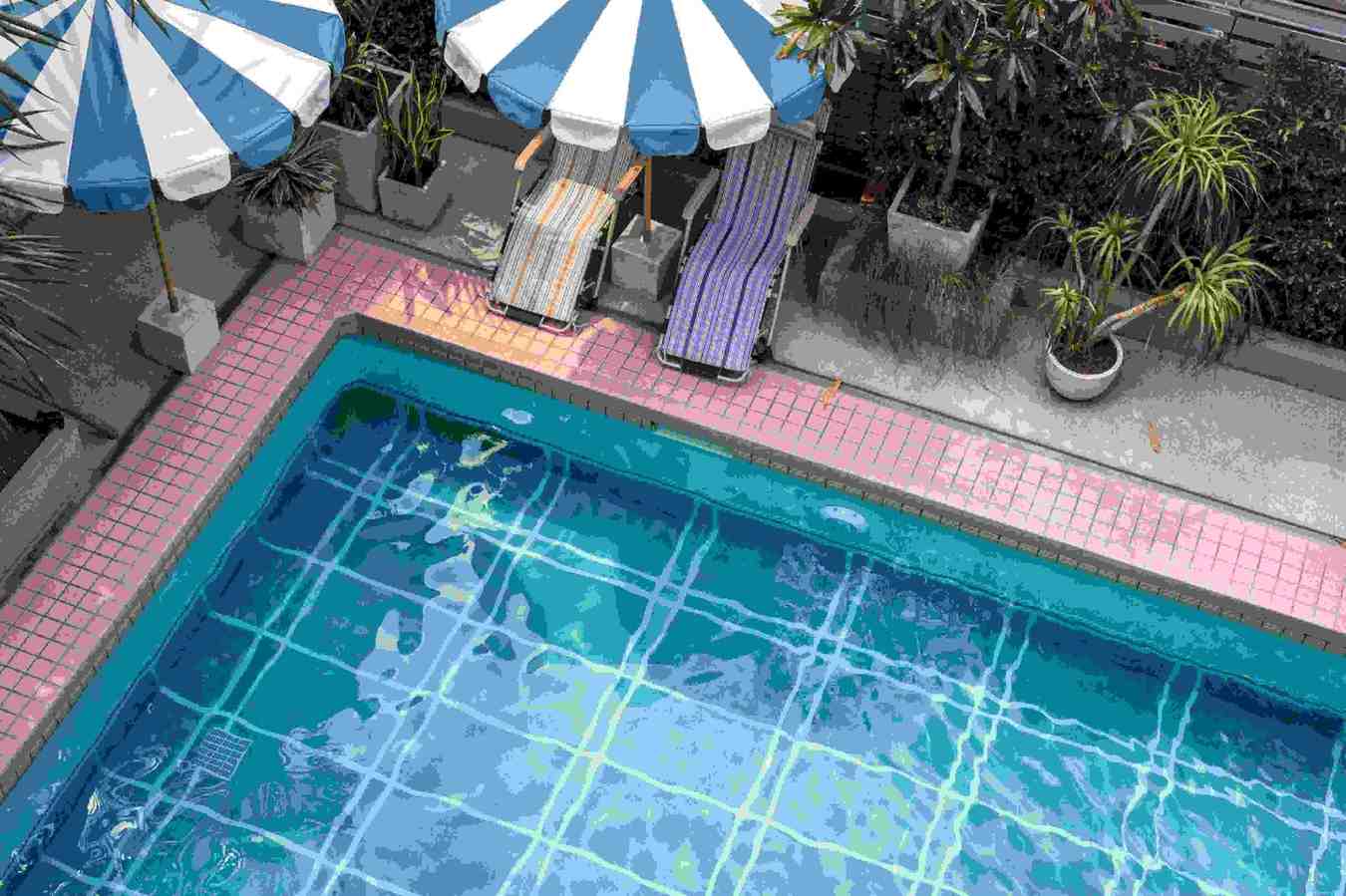
- Pool surrounds and coping. Requires tiles rated to at least P4, with pool coping tiles specified to handle the constant wet-dry cycle and pool chemical exposure. Bluestone and outdoor porcelain are the most common choices.
- Front entry and porch tiling. The first impression of a Melbourne home. Often involves steps, which need careful attention to slip resistance, nosing visibility, and waterproofing at the top of the step.
- Side passages. Often a neglected area, but a tiled side passage is practical, easy to clean, and adds to the overall finish of a property. Falls must drain away from the house.
- Outdoor laundry and utility areas. These areas see high moisture and require the same drainage fall and slip rating considerations as a pool surround.
Design Choices: What Looks Good and Lasts Outdoors in 2026
Design preferences for Melbourne outdoor areas have shifted toward:
- Large-format pavers (600x600mm and up). Fewer grout lines, cleaner look, and a more expansive feel in outdoor spaces. The main requirement is a well-prepared and level substrate to avoid lippage between tiles.
- Concrete-look porcelain. The most-requested look in Melbourne alfresco areas right now. Large grey or warm-toned porcelain pavers that reference concrete but offer better performance and consistency.
- Continuous indoor-outdoor flow. Using the same tile family inside and out or at least the same tone and texture creates visual continuity through glass doors and makes both spaces feel larger.
- Warm stone tones. Sandy beige, warm grey, and soft terracotta tones are replacing the cool grey palettes that dominated Melbourne outdoor areas through the 2010s.
- Rectified tiles with tight joints. Precision-cut (rectified) outdoor tiles with 3–4mm joints are replacing the wide-jointed 'rustic' look that was common a decade ago.
Outdoor Tiling in Melbourne's Western Suburbs
Ali Star Tiling is based in Kurunjang and works extensively across Melbourne's western growth corridor. Alfresco and outdoor tiling is one of the most in-demand services across this corridor as newer homes are completed and homeowners begin to develop their outdoor spaces. If you are still comparing tradespeople, our guide to choosing tiling services in Melbourne covers the quote and workmanship checks that matter before work starts. For current cost per square metre across patios, decks, driveways, and pool surrounds, see our outdoor tiling prices Melbourne breakdown.
We work across Melton, Caroline Springs, Sunbury, Werribee, Hoppers Crossing, Tarneit, and surrounding areas. For homeowners in these suburbs, we provide free on-site quotes and can advise on tile selection, substrate preparation, and drainage requirements before any commitment is made.
For a full breakdown across every room and project type, see our tiling cost guide Melbourne for 2026.
Choosing a grout colour for your alfresco or pool surround? See our grout colour guide Melbourne for outdoor-specific advice.
Ready to tile your outdoor area?
Call Ali Star Tiling on 0455 233 816 or email info@alistartilingmelbourne.com.au for a free on-site quote. We service Melton, Kurunjang, Caroline Springs, Sunbury, Werribee, and surrounding Melbourne suburbs. Written quotes provided before any work starts.
Still comparing tile types across the whole house? See our best tiles for Melbourne homes guide for a room-by-room breakdown of what performs best in 2026. Tiling a commercial alfresco, courtyard, or loading dock? Our commercial tiling Melbourne guide covers slip ratings and specification for public-access outdoor areas. Tiling a pool surround or coping? Our pool tiling Melbourne guide covers pool-specific waterproofing, coping, and tile selection.
Looking for style inspiration rather than technical specification? Our outdoor tiling ideas Melbourne guide covers alfresco, patio and pool surround styles for 2026.
FAQs