
Have you ever unboxed 2 sets of these supposedly identical tiles and found that they do not match? One may be a bit darker, the other a bit lighter, or the design might be different. This can be frustrating when your bathroom, kitchen, or floors are being upgraded or renovated, especially if you have selected a specific color. The good news is that this does not necessarily indicate the tiles have a problem. Most often, it's just a difference in tile shade, and that's a normal part of the tile making process. However, if batch and tile size differences are not taken into consideration, there will be variations in the process. Let's explore why this happens, what checks you should make to prevent issues the next time you are tiling in Melbourne.
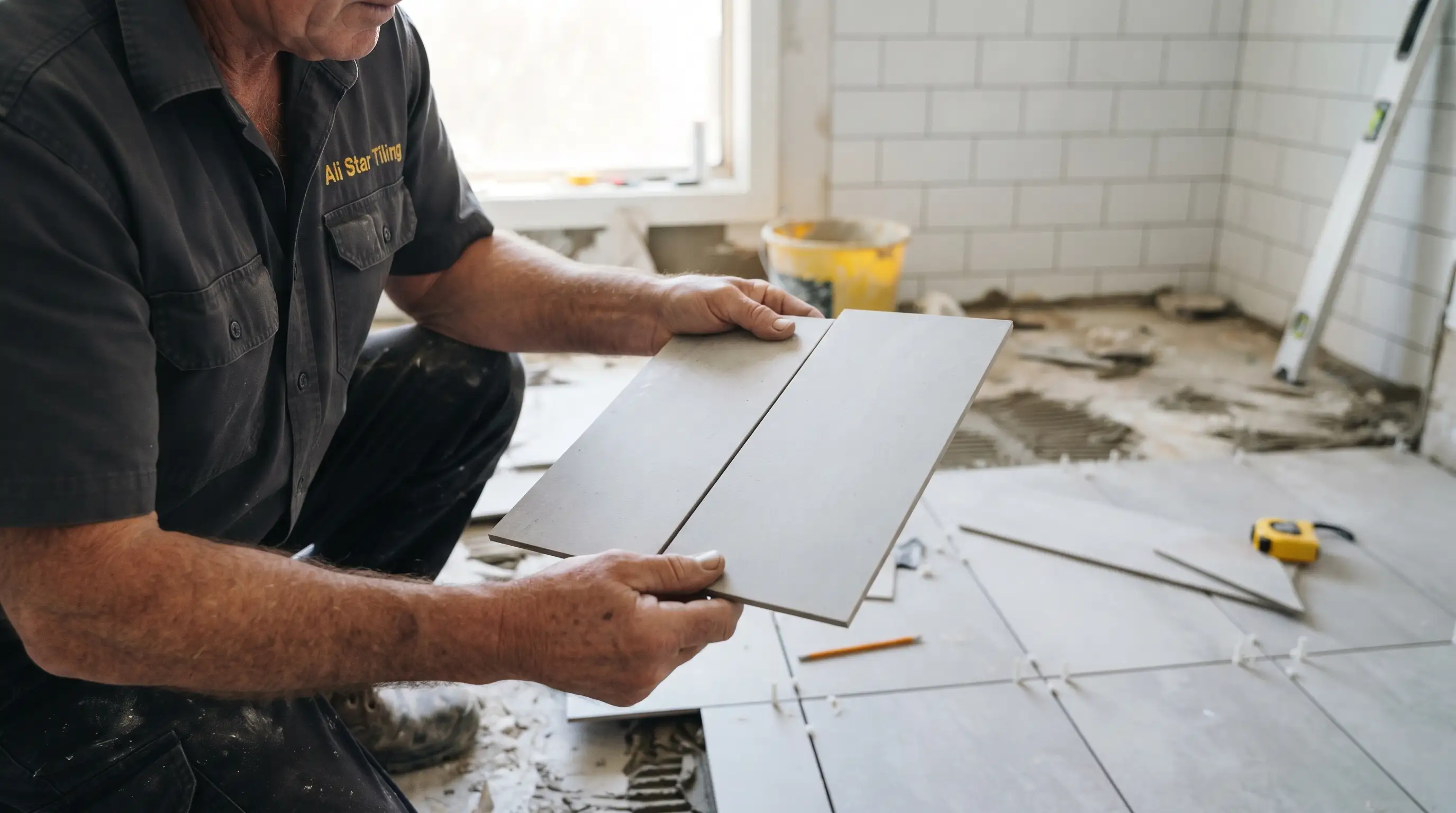
A common renovation Example – a Melbourne Homeowner’s experience:
A Melbourne homeowner, named Naqi, wanted to do bathroom renovations in their Western Melbourne home. They selected beautiful light grey porcelain tiles. The first batch was delivered and the tiling started. It looked great until the installer ran out of tiles and the homeowner ordered more. As additional tiles are received, it doesn't seem right. Others were slightly bluer than the originals. The homeowner initially thought it would be unnoticeable once everything is set up. However, after a few tiles were laid side by side, the color difference was easy to see. The tiler offered to check the carton labels and match the shade codes before proceeding. The new boxes are indeed from a different batch. The homeowner contacts the supplier before proceeding with further tile installation. The moral of the experience is that it's important why checking tile batches before installation is so important. Taking a bit of extra time and attention in the beginning can save a lot of time and money.
What is Tile Shade Variation?
A shade variation is an inevitable part of tile manufacturing, where tiles from the same range may produce slightly different colors, tones, or patterns. This is very common with ceramic and porcelain tiles as they undergo manufacturing processes with raw materials, glazes, and high temperatures. Some tiles are deliberately manufactured with variations to look more natural. For instance, stone look, timber look, and concrete-look tiles are created to avoid looking too uniform.
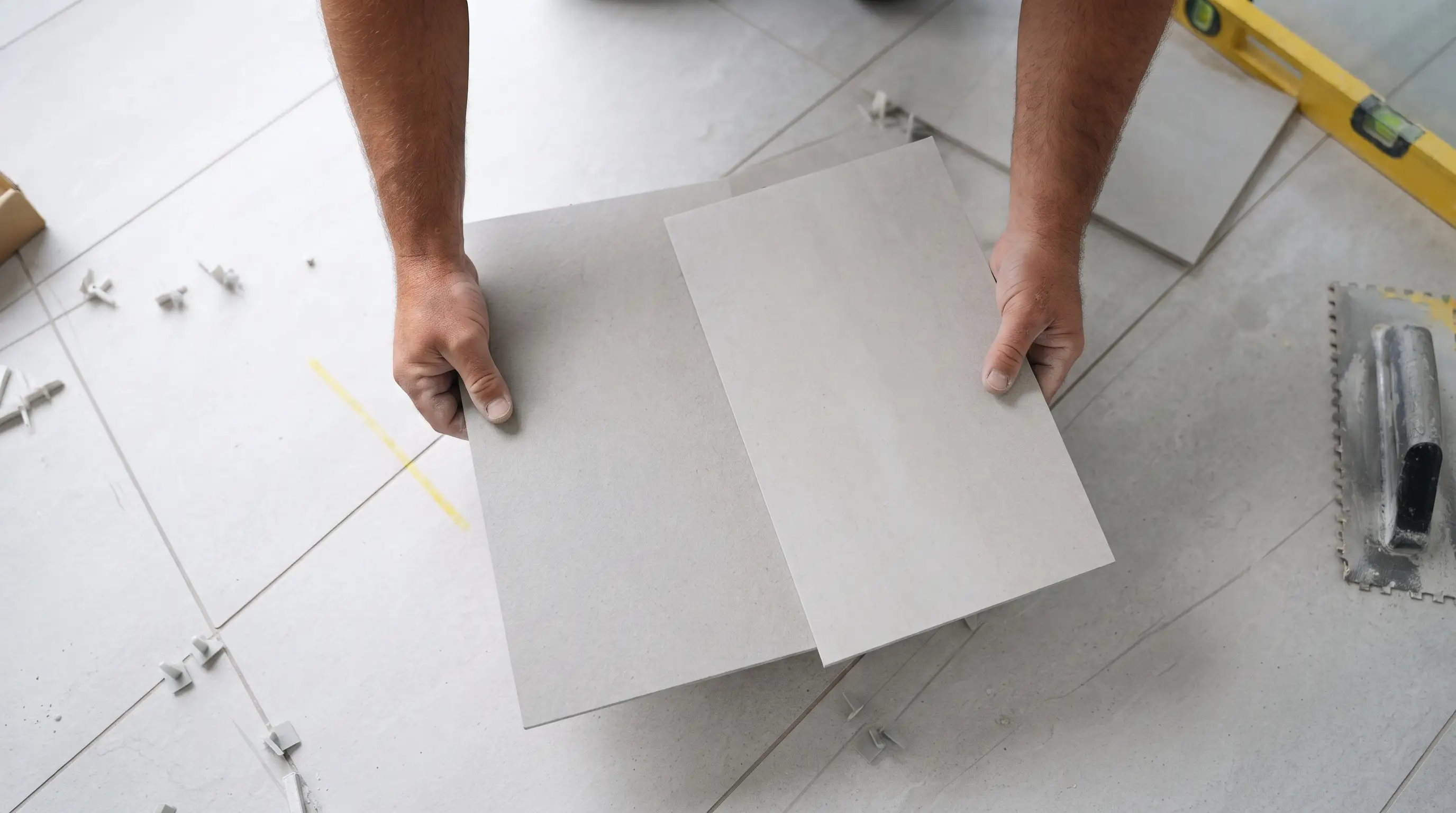
Usually, manufacturers indicate how varying V-ratings are:
- V1 Uniform: little variation in colour or pattern of tiles.
- V2 – Slight: Minor differences can be seen between the tiles.
- V3 – Moderate: Some color and pattern changes are evident
- V4 – Substantial: A natural, random look can be achieved through each of the different tile styles.
If you have bought the V3 or V4 tiles, it's expected that there will be some differences. It is important to know which variations are expected and which may be due to a different manufacturing batch.
Why Do Tiles Look Different from Different Boxes?
One of the most common reasons is tile batch variation. When tiles are manufactured in batches, even with the same material and process, there may be slight variations. Various alterations in pigments, glaze application, and kiln temperatures can produce different colors. Two boxes may not be identical in appearance, especially if they were made at different times, in this case, the same tile and similar designs in the boxes can vary. For example, you might order gray porcelain tiles for a bathroom. The first set is delivered looking great, but the next one arrives weeks later and is slightly warmer or colder. These variations may be minor when viewed in individual tiles. When set side by side on a large floor, the difference in colour can be very noticeable however. Even lights can make a difference. From natural daylight to bathroom lights and warm LED lights can make a tile look different. This is why it's always best to inspect tiles in the actual room when installing.
What is Tile Calibre Variation?
When buying tiles, color is certainly not the only factor to look at. Some size factors are also crucial. Variation in tile caliber occurs due to shrinkage during the firing process. Manufacturers measure the finished tiles and classify them based on their actual size. These are called calibers. The reason is that two tiles sold with the same markings, 600mm x 600mm, might differ slightly because they belong to different caliber groups. Why does this matter? Poor grout lines, alignment issues, or spacing discrepancies can be apparent if tiles of different calibers are used in the same installation. This can be especially apparent on large size tiles. When installing, make sure that the tile's caliber markings match, particularly where they will form part of the same continuous area.
What Are Some Solutions for Avoiding Color Variation Issues With Tiles?
These problems can easily be prevented without being a tiling specialist. A few simple checks can make a big difference. There are some things to do before the installation of tiles:
- Remember to book the correct amount of tiles: Place one order for 100% of your tiles, plus extra for cutting, breakages, and future repairs.
- Look at the product details: Shade codes, Batch numbers, and caliber markings are found on the carton labels.
- Open a few boxes: Don't judge based on one tile. Compare a variety of tiles in a variety of cartons.
- Create a dry layout first: It's easier to view the layout before you install it with tiles when you do it on the dry floor.
- Store the spare tiles: Store any tile leftover in a safe place and leave the information in the carton for future reference.
- consult your tile supplier: If you notice a big difference between the two, seek advice before proceeding with installation.
The Australian Tile Council also recommends checking tile shades and tile caliber before installation.
Can a Professional Tiler Help with Different Tile Shades?
Absolutely. Skilled tilers can offer valuable advice and information on what could go wrong before the work is completed. If the tiling material varies from box to box, consideration should be given to using different boxes in a single project to achieve more balance. But if there are any substantial batch differences, it is important to evaluate the tiles before deciding what to do. When it comes to obtaining a quality finish, preparation and attention to detail are crucial aspects of the work Ali Star Tiling Melbourne undertakes. Before installing floor tiles, kitchen tiles, bathroom tiles and other materials, it is important to inspect the material. When you're renovating in Melbourne, whether you are in Melton, Werribee, or Point Cook, take time to inspect your tiles, as knowing what to look for can help ensure your tiling project is not flawed.
Final Takeaway
Different looking tiles in separate boxes can be frustrating in some instances, but it's not usual. Tile color differences, batch variation, and differences in the quality of each tile's caliber can all impact the look of the floor or wall you end up with. Ideally, inspect the tiles before you install them, confirm the shade and caliber are correct, and consult a tiler if anything doesn't seem right. There's a lot that can make a big difference on a tiling job, and here at Ali Star Tiling Melbourne, we know how much that little detail matters. If you're looking to renovate your bathroom, kitchen, or floor in Melbourne, get in touch to discuss your tiling requirements and arrange a quote.
FAQs