Natural stone tiles have a classic look and feel in any home.Limestone, travertine, and marble can add a touch of elegance to ordinary spaces, with their soft patterns, distinctive texture, and elegant appearance. But natural beauty has maintenance costs, too. A common question that is often asked by homeowners before installing these materials is: Do natural stone tiles require sealing? In most cases, yes. Natural stones have very tiny holes that can absorb a lot of water, oils and regular spills. If they are not protected by the proper type of material, they can discolor or stain tiles. By educating Melbourne homeowners about the proper type of sealing to utilize, it may be possible to save decades of the life of their home investment with Ali Star Tiling.
An Client Experience Example: Why right sealing matters
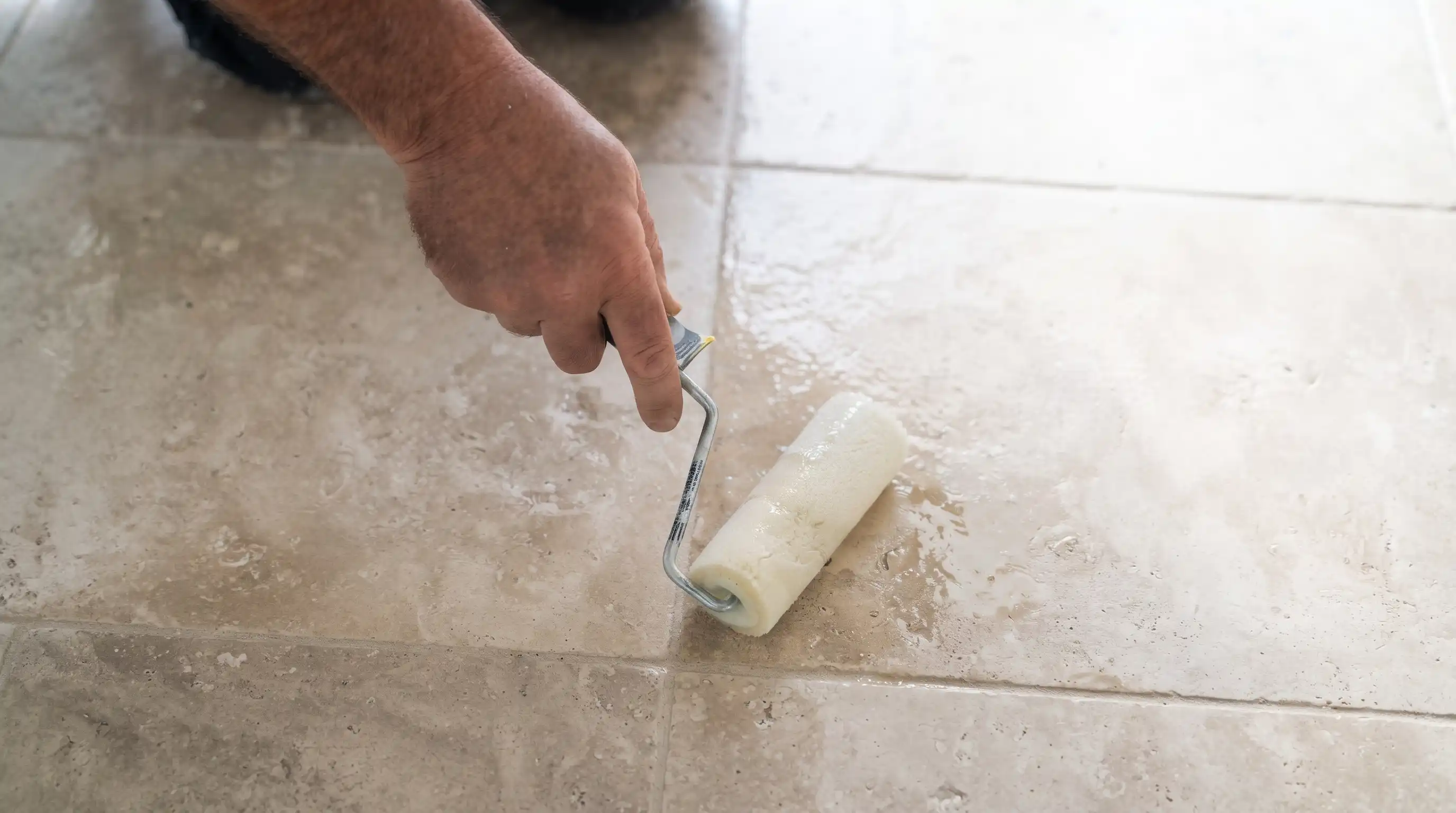
A Melbourne house owner, John, recently updated his bathroom with lovely honed limestone floor tiles. At first, he thought that a daily wash of the surface should suffice. Once he became aware of the porous limestone, however, he knew that things such as daily wetness and cleaners could alter the look and select the proper environmentally safe methods to maintain his installations. His tiler advises him not to set the tile before they dry, but to use a penetrating sealer compatible with the tile. John also adopted the use of a pH neutral water cleaner stone and started clearing the standing water after use. This led to a more efficient maintenance schedule and the resulting wardrobe of a protected new flooring system. This shows us the reason for selecting an appropriate sealing technique in terms of a pre planned tiling plan and not as an afterthought.
The importance of The Sealing of Natural Stone Tile.
Many natural stones are naturally porous as opposed to porcelain or ceramic tiles. This indicates that liquids can flow through their surfaces, instead of merely sitting on top. Natural stone tiles can be sealed, which helps to minimize absorption and makes maintenance easier. It is especially beneficial in bathrooms, laundry rooms and other watery spaces such as kitchens. Sealing does not, however, make stone totally waterproof or prevent all damages. Even treated materials like marble or limestone may react to acidic materials. It will depend on the type of stones, surface finish, its location and manufacturer's recommendations.
Limestone Tile Sealing: Protecting a Naturally Porous Surface
Limestone is popular among Melbourne homeowners who prefer a subtle, earthy appearance. The soft colors and natural texture lends itself well to modern bathrooms, living rooms and outdoor spaces. But limestone is very absorbent and can develop marks with minimal contact with water, oils or household spills. Limestone Tile sealing is another barrier to break the surface by slowing down the rate at which liquids will seep into the stone. Since a penetrating sealer works inside the stone, and not as a surface coating, it is often the appropriate type of sealer for the stone. There are several steps to take into account before sealing limestone:
- Thoroughly clean and dry the tiles.
- Choose a penetrating sealer that is specially formulated for limestone.
- Check the product for colour change by testing it out on a hidden spot.
- Do not exceed manufacturer's application and curing guidelines.
- Have your cup cleaner with a pH neutral cleaner regularly.
As vital as the product itself is having the right product prepared correctly. If dust, grout residue or moisture remains on the application area after the sealer, this can have an impact on the application.
Why Natural Pores of Travertine Tiles sealing matter.
The natural cavities and surface variation gives travertine a special appearance.These features give the stone its character, but may make cleaning and maintenance more difficult as well. The sealer for many indoor applications, like bathrooms, kitchens and floors, is recommended for travertine tile. There are some travertine tiles that have been patched, and others with holes that have not been filled. Selecting an appropriate sealing product is important due to this difference.
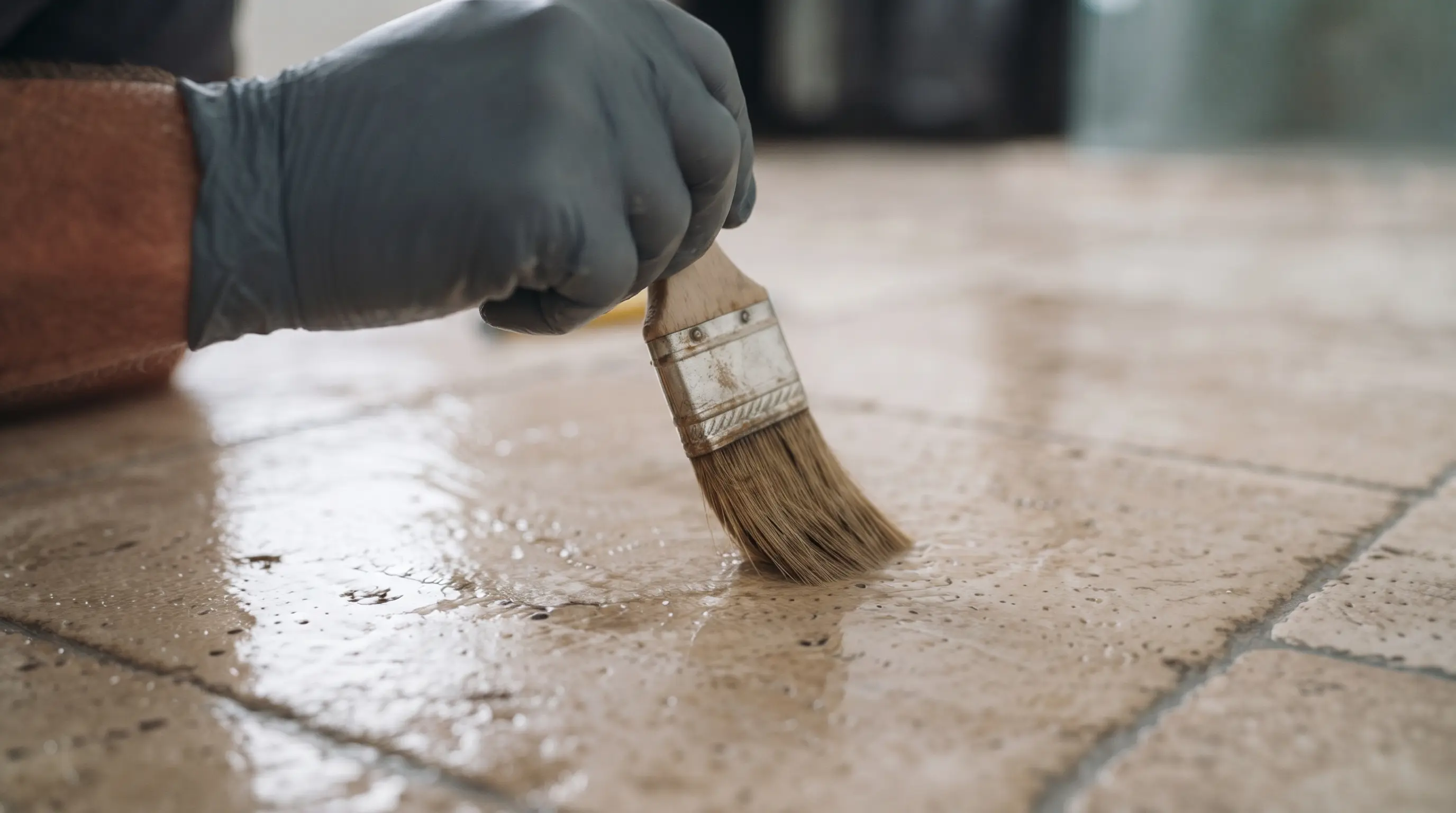
Use a "penetrating" sealer for the stone that is compatible with it; this will help to minimise water absorption and any tendency to stain, but allow the natural look to remain visible. Don't use harsh cleaning products, acidic fluids or abrasive substances as they could cause surface damage. Sweeping regularly, cleaning up spills immediately and gently cleaning can also help maintain travertine's appearance.
Marble Tile Sealing: Does Marble Really Need Protection?
Marble is a common material used in luxury interiors, beautiful bathroom walls and elegant floors. While the appearance of durability deceives, marble is a material that needs proper care and attention. Sealing marble tile helps minimize the absorption of water, oils and other items which can cause stains. This can be particularly beneficial in kitchens, bathrooms and frequently used areas. It is essential for any individual who owns a marble home to know this fact: marble is vulnerable to etching. Vinegar, lemon juice or other acids can dull its shine. This chemical reaction is NOT prevented by sealing. If you would like to keep marble tiles, try these tips:
- Immediately clean up spills.
- Don't use acidic household cleaning products.
- Cleaners that are developed for use on natural stones.
- Follow recommended resealing procedures.
- Cover exposure to oil and food stains on surfaces that are used often.
If properly cared for, marble doesn't require unnecessary maintenance to keep it looking attractive.
When Is It Best To Seal Natural Stone Tiles?
The correct timing is crucial in successful sealing. tiles that have just been installed should be cleaned, thoroughly, and dried before starting sealing. Sealing may be suggested prior to grouting or after the stone is installed or as both a pre and post grouting procedure, depending on the type of stone and method of installation. Always adhere to the instructions of the sealer manufacturer: always ask for expert advice where required. It is not recommended to set a universal re-sealing schedule. It may be necessary to have other areas such as those that are exposed to frequent cleaning, heavy foot traffic or regular moisture, maintain greater frequency than decorative walls. Although the method doesn't work for all types of sealers, a water drop test may provide some idea as to whether a stone surface is absorbing moisture.
Professional Natural Stone Tile Sealing in Melbourne.
Natural stone is not a material that can be treated by simply sealing it with a product. Appropriate identification, surface preparation and product selection and application all of this play a role in achieving a satisfactory result. Ali Star Tiling has been around since 2009 and calls in Melbourne and regional Victoria. Ideas of proper tile installation, preparation and quality finishing are appreciated. Whether you are looking to get limestone flooring in Melton, travertine in Werriebe or marble in Point Cook; choosing an appropriate maintenance approach can help protect your tiled surfaces. This is a good line of enquiry when considering a natural stone installation project or in need of stone tiler advice on existing tiles.
Final Takeaway
The protection of natural stones is intended to protect them so that they retain their beauty and usefulness. With proper use, limestone tile sealing, travertine tile sealing and marble tile sealing can all help minimize the staining and moisture absorption from everyday use of these items. The secret is being aware of the unique nature and care needs of each rock. If installed correctly, appropriately sealed and well maintained, your natural stone surfaces are a most attractive compliment to your Melbourne home for many years. In the process of undertaking a natural stone tiling project? Contact with Ali Star Tiling Melbourne to talk about your needs and get expert advice on your area.
FAQs