
Have you ever seen a damp spot on your ceiling after the rain and wonder what is causing the wetness? If you have a tiled balcony or roof above that room, it may be the culprit. Many homeowners don't realize balcony leaks are far more common than most think. The problem is that it may not always be apparent. You may have no idea there is a problem with your tiles; the grout may seem like it's in good shape and there's no problem with it-and yet, water may be seeping under it. Outdoor tiled surfaces can be put under strain by Melbourne's weather, as conditions change regularly with Melbourne’s climate and rainfall. No matter how small a weakness is, if it isn't properly installed and maintained, it can become an expensive problem.
So why is a tiled balcony leaking into the room underneath? Let's start by discussing 7 possible causes and what you can do about each of them.
A Melbourne Homeowner's Story - A Small Ceiling Stain to Correct.
After a few days of rain, one of the householders Milli in Point Cook noticed a brown mark on his living room ceiling. The tiled balcony above appeared entirely unblemished, and they thought it was just a roof leak; however, the ceiling in that location is leaking as well. Initially, they thought it was a small space above leaking, but the tiled plaster balcony is leaking as well. Upon closer examination, however, there were two potential issues: water pooling around the drainage outlet and aging caulk around the sliding door. The important lesson? The area with water inside the coil is not the same as the area with water outside the coil. Building materials can allow moisture to move in without showing signs. We needed to uncover the correct ceiling and waterproofing information around the balcony, rather than just repainting the ceiling or replacing a few grout lines.
7 Hidden Causes Melbourne Homeowners Should Know
The waterproofing Membrane has failed
A common cause of a leaking balcony is a leaking waterproofing membrane. Think of the membrane as the layer beneath your tiles. It prevents water from entering the concrete slab and below. This layer can separate or crack over time due to improper installation, wear & tear on materials, or movement from the natural process of building degradation. This lets water percolate through and slowly erode the structure. That's why it's so critical to have professional balcony waterproofing. Even if the tiles are attractive, they can't be the only answer to make your balcony waterproof.
Cracked grout or Deteriorating silicone
Do you see fine cracks between the balcony tiles? Don't ignore them. Wear and tear, as well as exposure to the elements, can cause grout to deteriorate. Silicone around a door frame and at wall corners and joints may cause shrinkage or cracking over time. The taped joints with grout and silicone serve as a protection layer, but are not a waterproofing membrane. Filling in the cracks will look better, but if water is already building up under the tiles, further investigation is required.
Water is not draining Properly
Rainwater should be drained towards the gap in the balcony. When the surface falls are not set correctly, or the drains are blocked, water does not flow down and remains on the surface. This is called “ponding water.” Prolonged water foray will impose extra loads on joints and waterproofing materials. Over time, moisture can penetrate the structure through any available point. Look for water that drains into pools or is near doorways or any sections of your balcony after a rain. A series of relatively small signals can provide a lot of information on your drainage system.
Problem Around balcony doors and wall junctions.
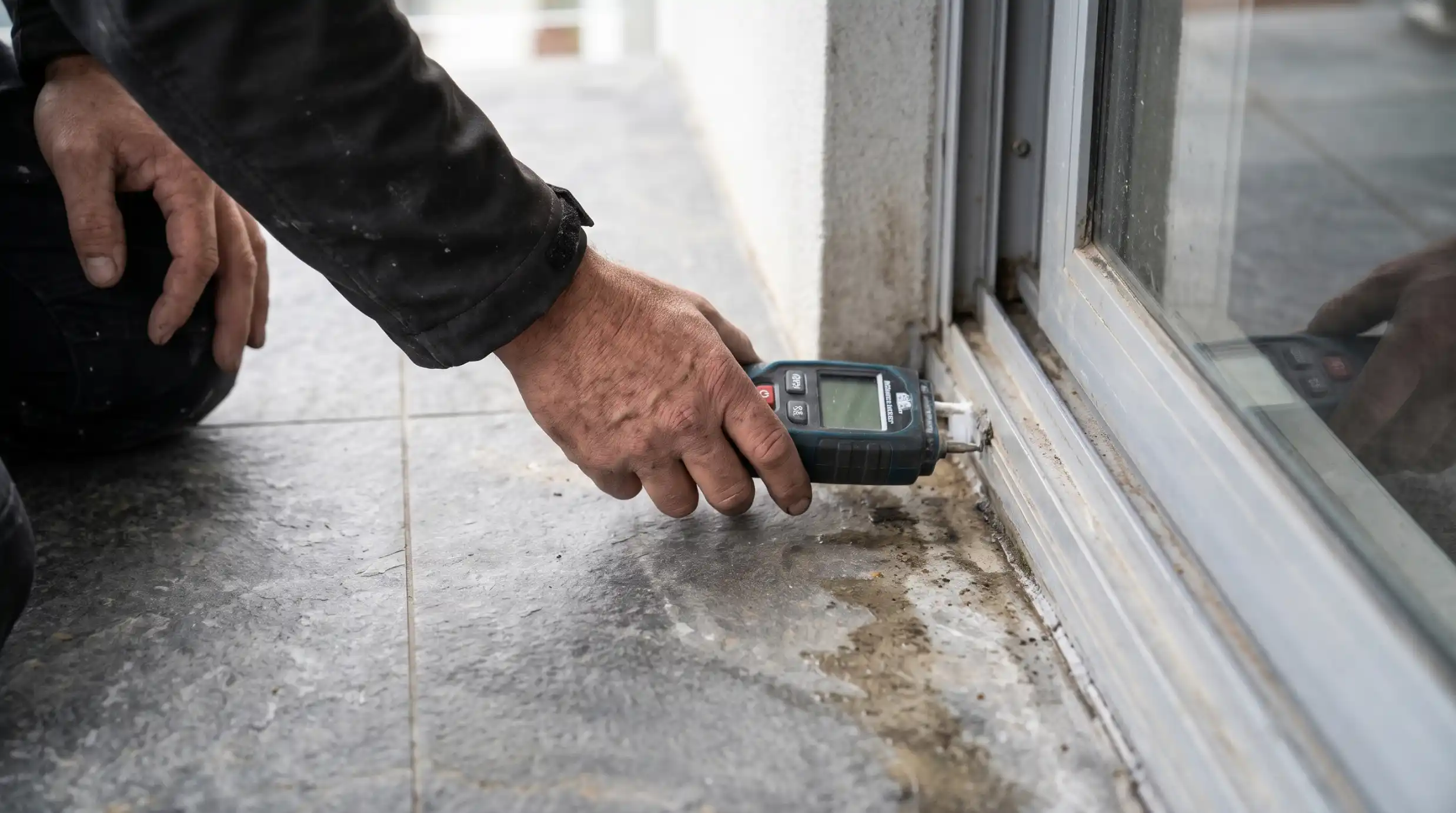
In some instances, the leak doesn't result from the middle of your balcony. The transition zone between the balcony and the sliding window or (out) wall is very vulnerable. Rainwater may seep in through the connection of the waterproofing membrane, flashing, or threshold if they aren't installed properly. This can be particularly evident during strong or heavy rainfall in Melbourne's windswept areas. Water can seep through the tiles to create a soaking wet spot in the ceiling below. This is especially important at door to wall junctions and should always be part of a balcony leak inspection.
Cracks and Movement in the concrete base.
Intrinsic movements are a natural part of any building's life. Concrete balcony slabs can be affected by structural movement, temperature changes, and settlement. Cracks in the concrete and screed (or the tiled finish on top of the screed) can occur when the surface below the concrete or screed is moving. Otherwise, the waterproofing system might not be able to handle that movement, and its protective layer could get damaged. The trap is that visible damage may look small or minor, even if the underlying problem is much worse. Instead of just addressing the crack, one needs first to know why it formed.
Poorly sealed balustrade fixings and other penetrations.
The surface of the balcony is sometimes pierced or otherwise joined by balustrades, pipes and the like. Each connection should be watertight. However, if an area is not properly sealed, water can seep through very small cracks. No unusual features may be visible on the tiles, but water may be flowing around a balustrade fixing and under the surface. These are the type of unknown balcony leak problems that can easily go unnoticed if the balcony isn't inspected.
Previously repairs were only temporary.
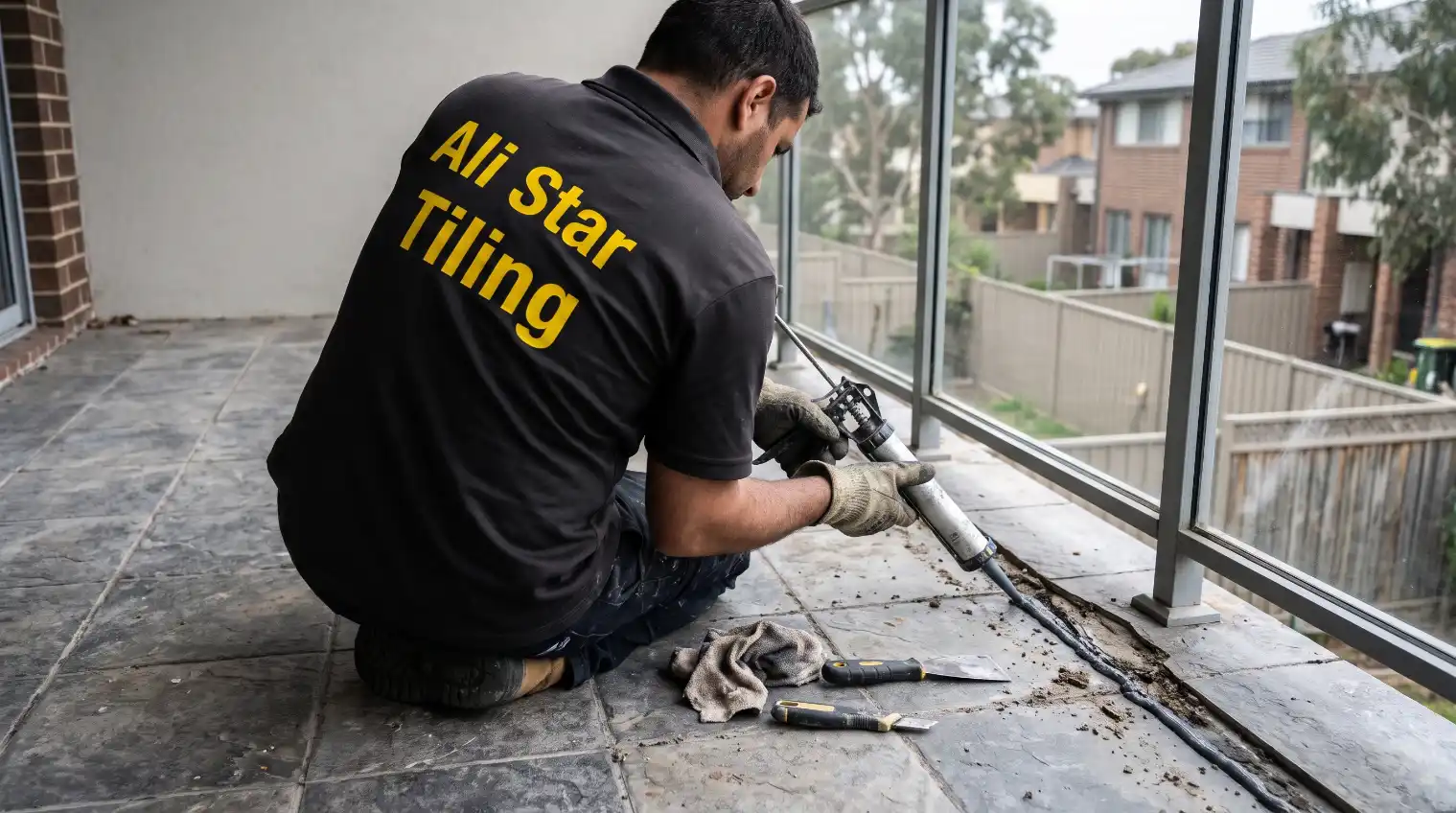
Already paid someone to fix the balcony leak and then found the same issue happening again? Unfortunately, this happens when repairs don't address the root cause and instead focus on the visible damage. A sealant may be applied to cracked grout to temporarily prevent water from infiltrating that area. It won't fix a damaged membrane, an improperly draining door, or a loose doorframe. A solution to a leaking balcony should solve the issue, not just hide the symptoms.
But How to Fix a Leaky Balcony?
The sooner you investigate the leak, the sooner you can prevent further damage. From the moment you see water moving into your room, it's a good idea to log the issue so you can address it. Take photos of damp areas, inspect the balcony after the rain, and confirm where water is accumulating. There are several things to consider:
- Splintered grout or loose tiles on the balcony.
- Pools of water around drainage outlets.
- Gaps around sliding doors and between walls.
- If silicone becomes damaged or there are visible cracks.
- Any damp smell, mould, or peeling paint on the ceiling.
Don't use a random sealant to find out, or drill into tiles. A professional can assess the visible surface, drainage, and vulnerable junctions, and recommend repairs. Ali Star Tiling offers tiling and waterproofing services in Melbourne and regional Victoria to homeowners who require balcony waterproofing Melbourne services. The team has over 15 years of experience in the trade and has completed over 200 projects, so they understand the importance of proper preparation and artistry. Relevant waterproofing clauses may apply to the balcony, depending on how it is constructed, such as AS 4654.2 for external roof-mounted above-ground membranes.
Final Takeaway
Don't ever leave a leaking balcony unaddressed. A small stain on the ceiling can later build up into mold and more costly plasterboard repairs. It is important to identify the source of the water infiltration rather than just treating the symptoms. From cracking grout to drainage problems and failed membranes, getting the right advice at the right time can save time and trouble. If your tiled balconies are leaking, contact Ali Star Tiling for a suitable repair solution for your Melbourne home
FAQs